English
 French
 Spanish
 Russian
 Arabic
 Italy
Italy
I. The Eight Traditional Chinese Cuisine Schools
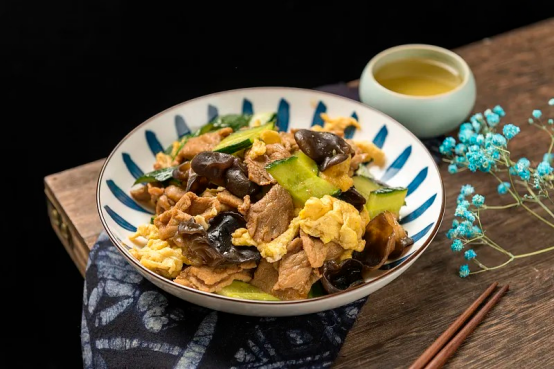
1. Shandong Cuisine | The foremost of Shandong's eight major culinary traditions and the originator of Northern Chinese cuisine
Taste characteristics: salty, fresh, and rich in flavor; true to its original taste, requiring precise cooking
techniques and knife skills; featuring a thick, oily sauce with moderate spiciness.
Subcategories: Jinan cuisine, Jiaodong seafood dishes, and Kongfu imperial cuisine.
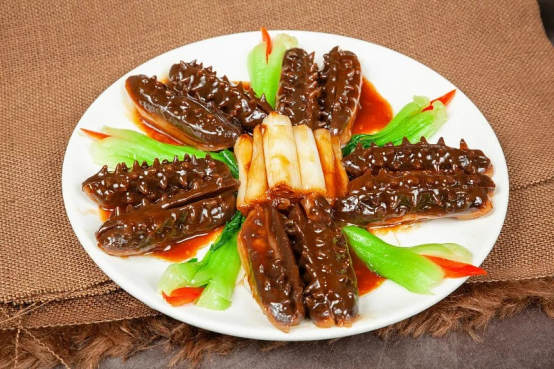
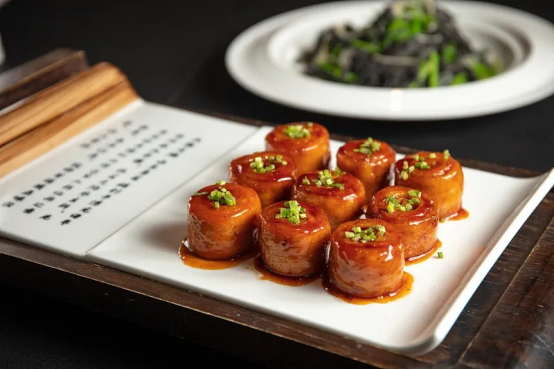
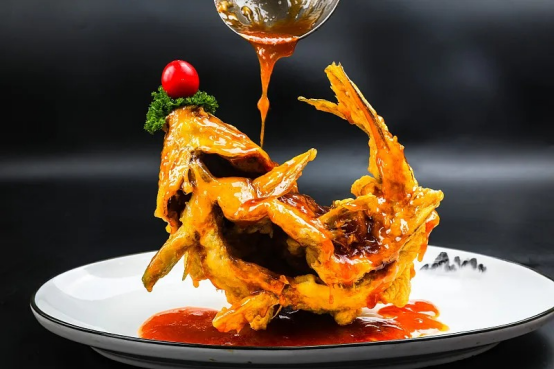
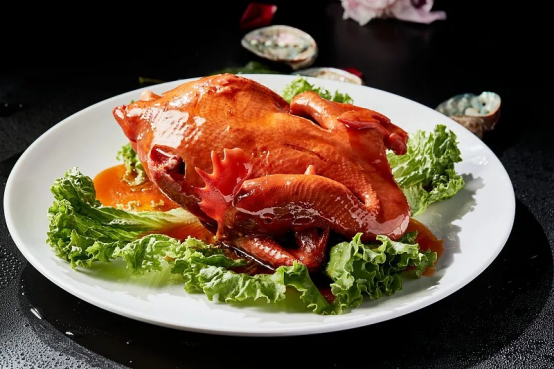
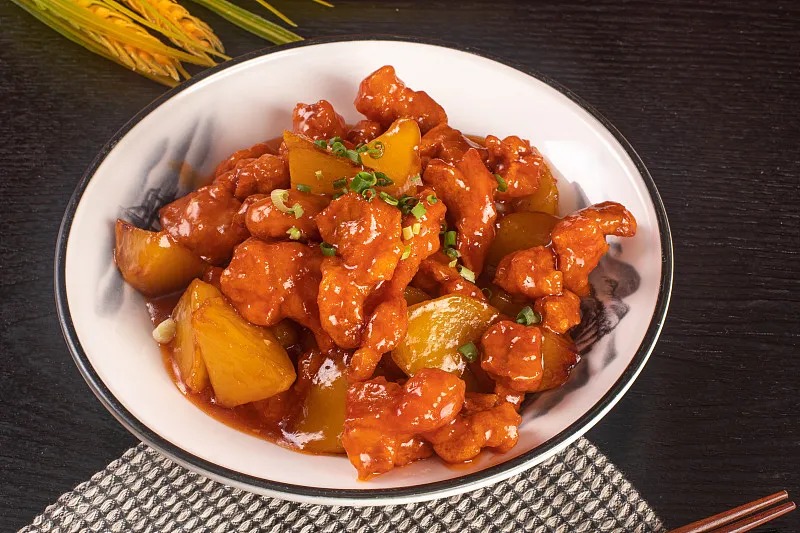
Representative dishes: Scallion-stewed sea cucumber, Nine-turns large intestine, sweet-and-sour carp, Dezhou braised chicken, Muxu pork.
2. Sichuan Cuisine | Sichuan – the number one culinary tradition in China
Flavor Characteristics: Each dish boasts its unique profile, offering a diverse range of tastes—from spicy and numbing to fishy aroma, exotic flavors, pepper-spice combinations, and complex blends of aged tangerine peel notes.
Sub-schools of cuisine: Rong School, Yu School, and Yan Bang Cuisine.
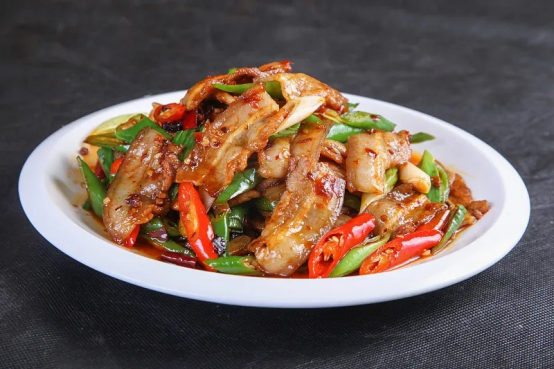
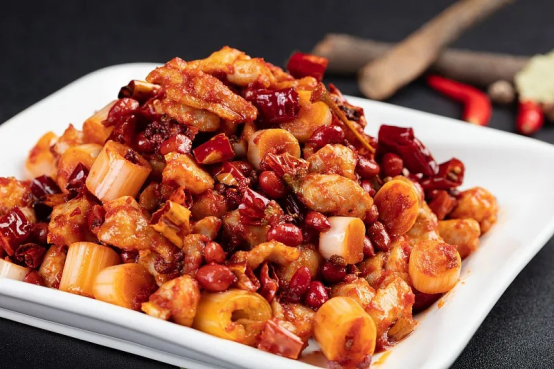
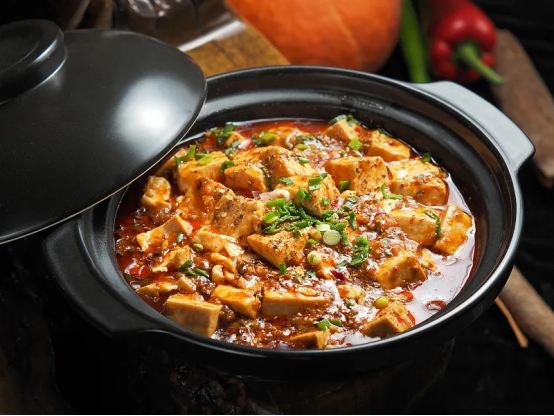
Representative dishes: Braised Pork with Soy Sauce, Kung Pao Chicken, Mapo Tofu, Boiled Fish, Spicy Lung Slices, Dan Dan Noodles.
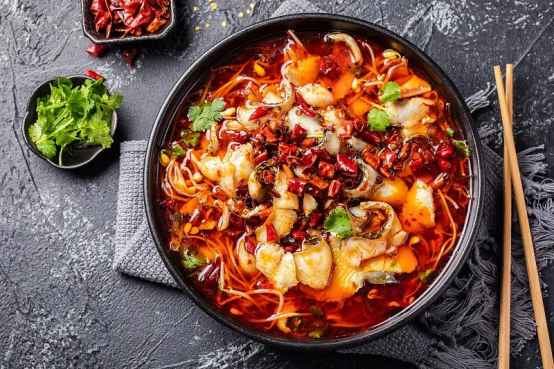
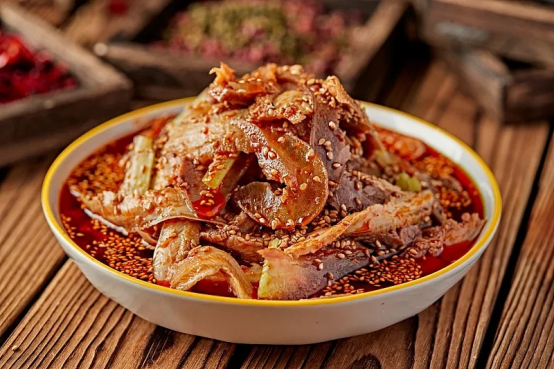
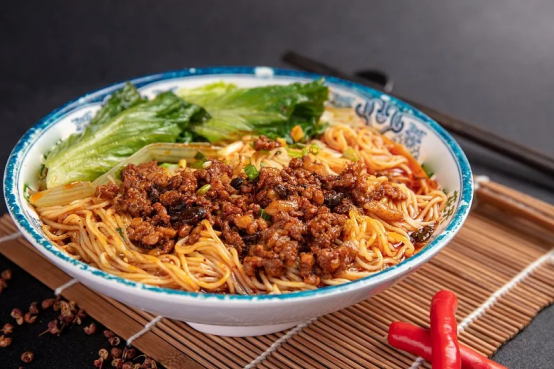
3. Cantonese Cuisine | Guangdong Province – A cuisine characterized by its simple, authentic flavors and suitability for high-end banquets
Taste characteristics: fresh, tender, low in oil and spiciness, preserving the natural flavors of the ingredients; ideal for seafood dishes, slow-cooked soups, and breakfast snacks.
Subcategories of cuisine: Cantonese cuisine, Chaoshan cuisine, Hakka cuisine
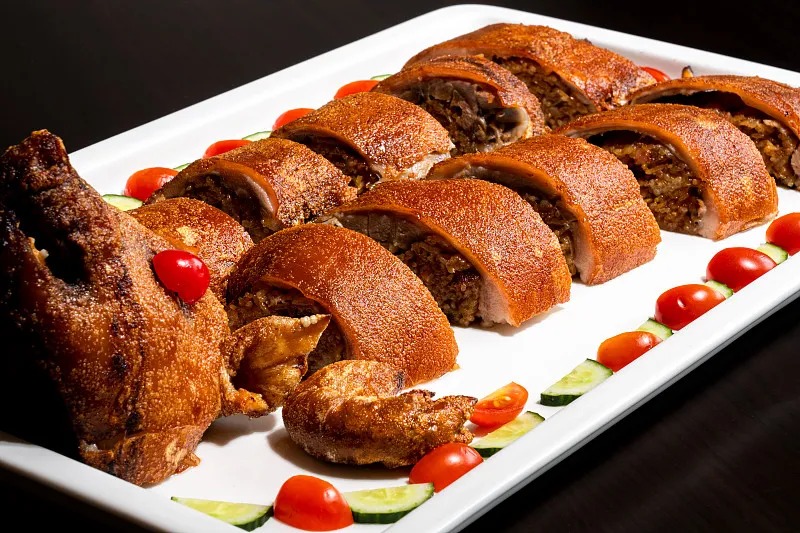
Representative dishes: Poached chicken, Crispy roast goose, Steamed sea bass, Slow-cooked broth, Pot rice, Roasted piglet
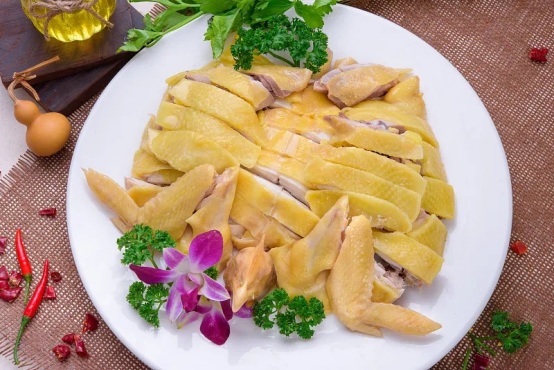
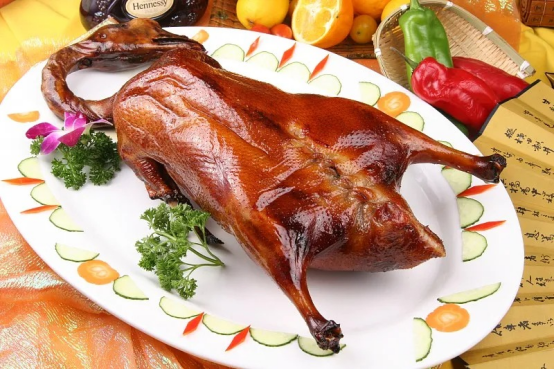
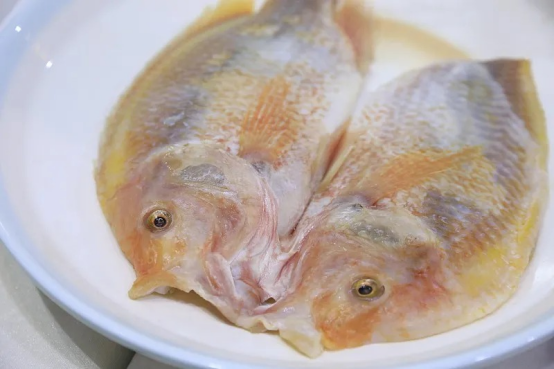
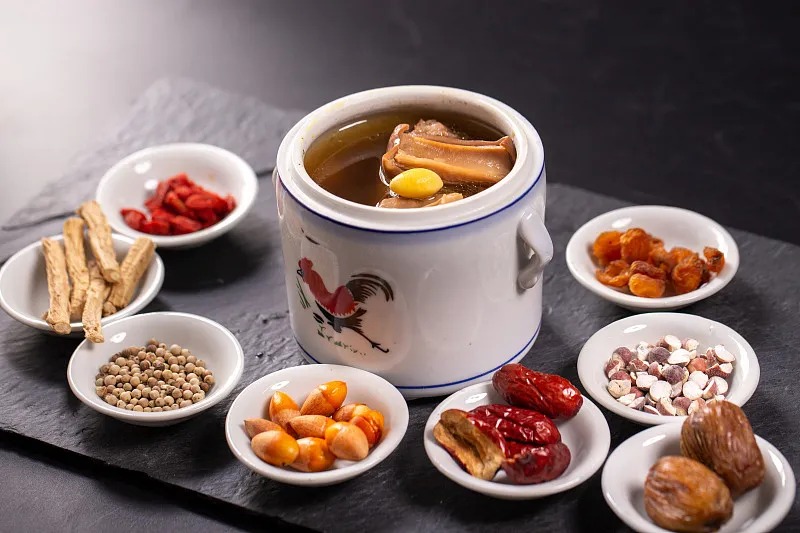
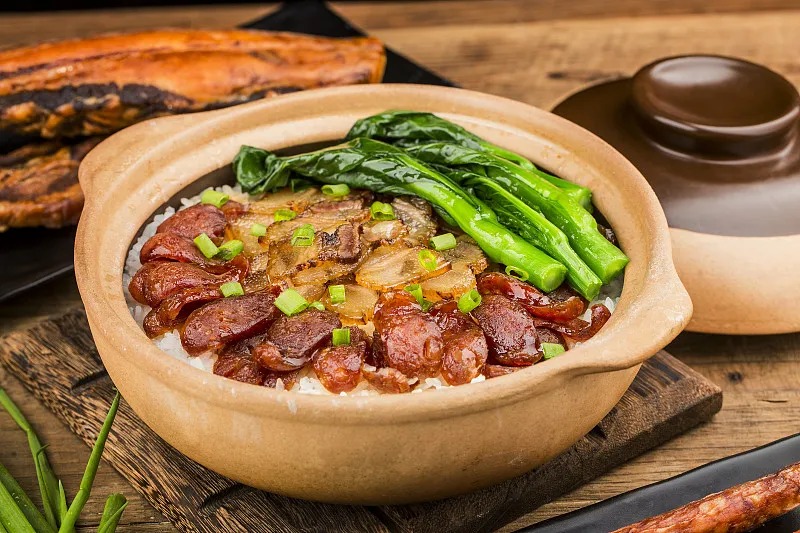
4. Jiangsu Cuisine | The official culinary style used for state banquets in Jiangsu Province
Taste characteristics: Exquisite knife work, fresh and balanced flavor, smooth texture, mild sweetness, and an elegant presentation.
Sub-schools of cuisine: Huaiyang cuisine, Jinling cuisine, Suzhou-Wuxi cuisine, and Xuzhou-Hai cuisine.
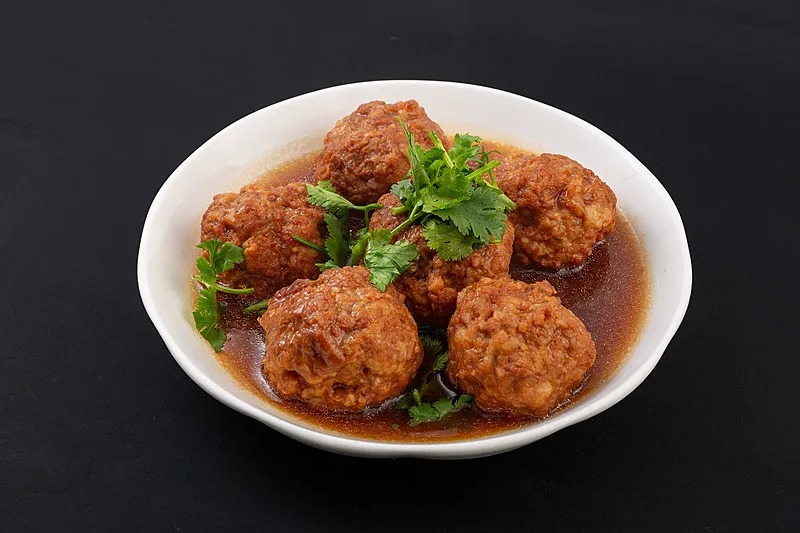
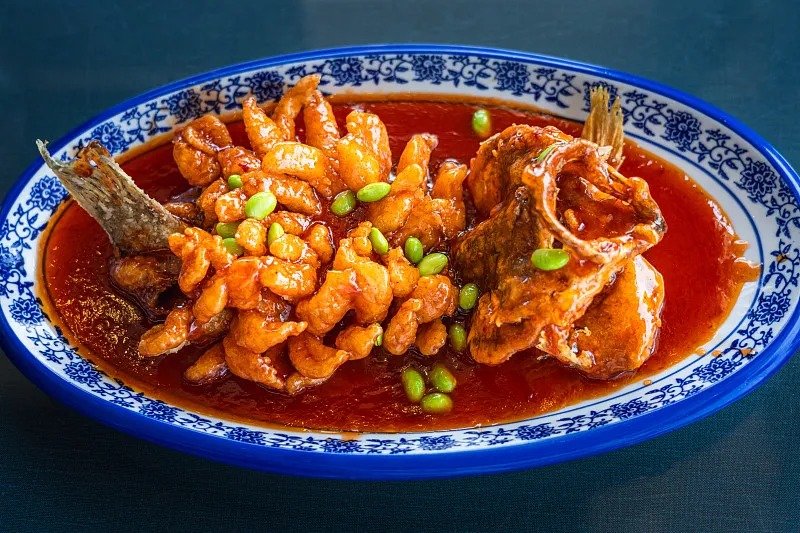
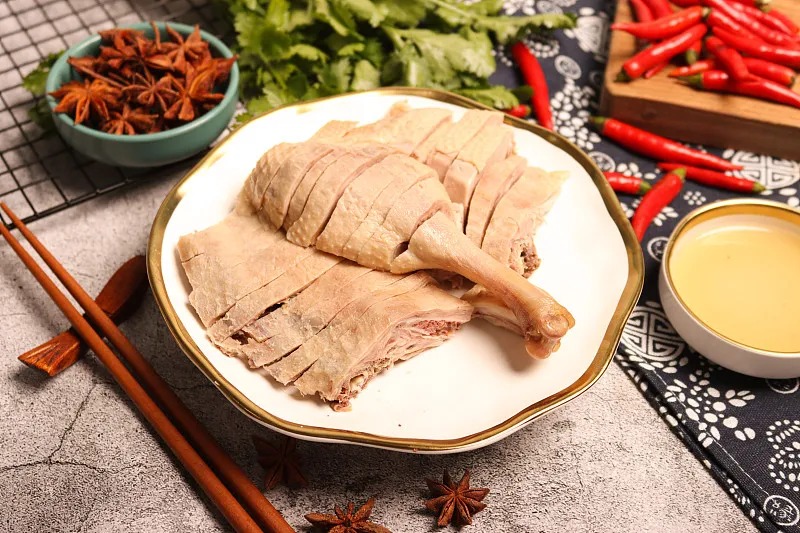
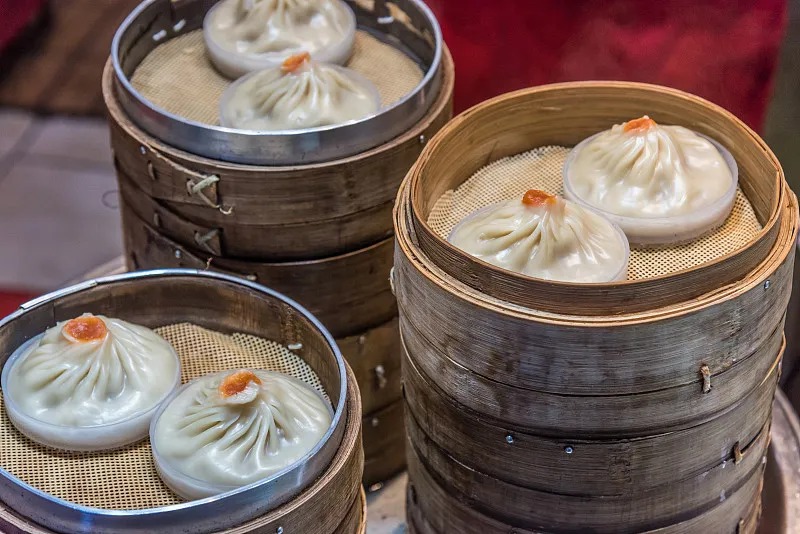
Representative dishes: Simmered Lion Head, Squirrel Mandarin Fish, Wensi Tofu, Nanjing Salted Duck, Crab Egg Soup Dumplings
5. Zhejiang Cuisine | The elegant flavors of Jiangnan, Zhejiang Province
Taste characteristics: tender and crisp with a delicate wine-like aroma that eliminates fishy odors; mild and smooth in flavor, featuring a well-balanced sweet-and-sour profile, primarily composed of freshwater fish from the Jiangnan region.
Subdivided culinary styles: Hangzhou cuisine, Ningbo-Shaoxing cuisine, Wenzhou cuisine
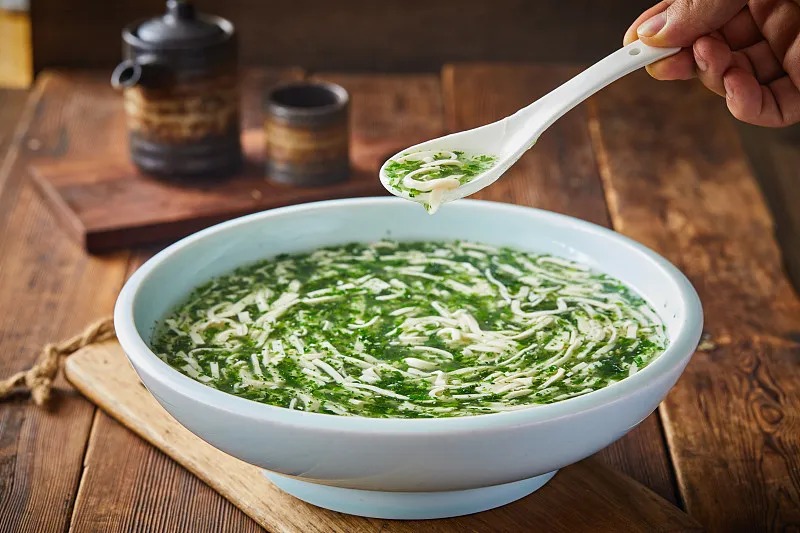
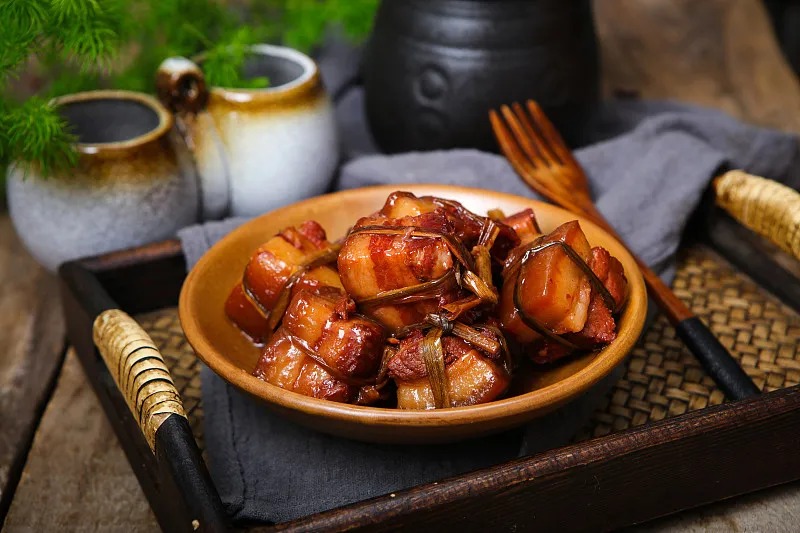
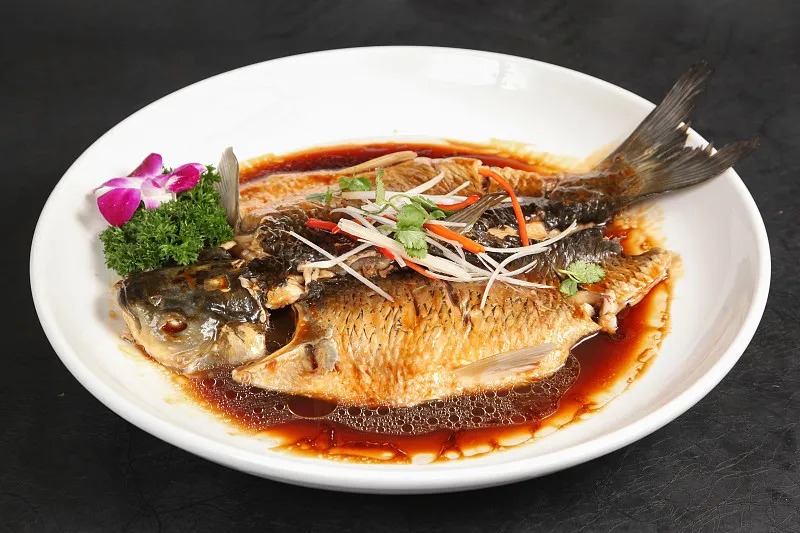
Representative dishes: Dongpo Pork, West Lake Vinegar Fish, Longjing Shrimp, Beggar's Chicken, and Song Sao Fish Soup.
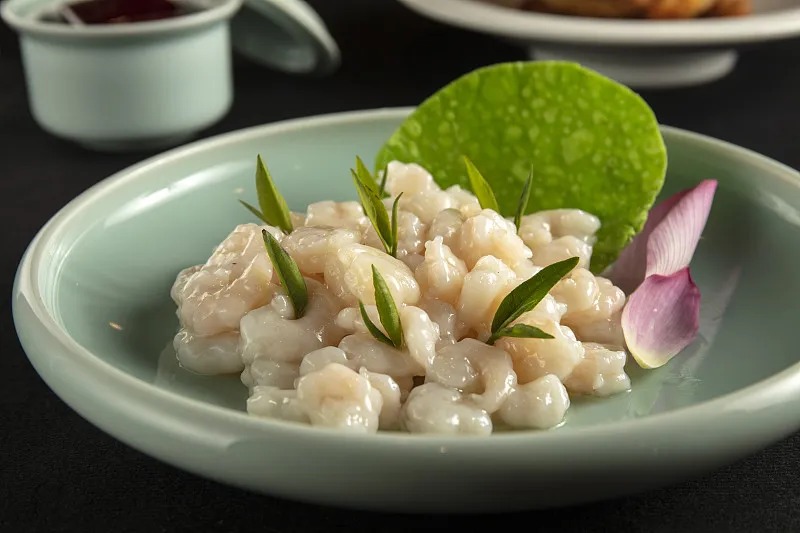
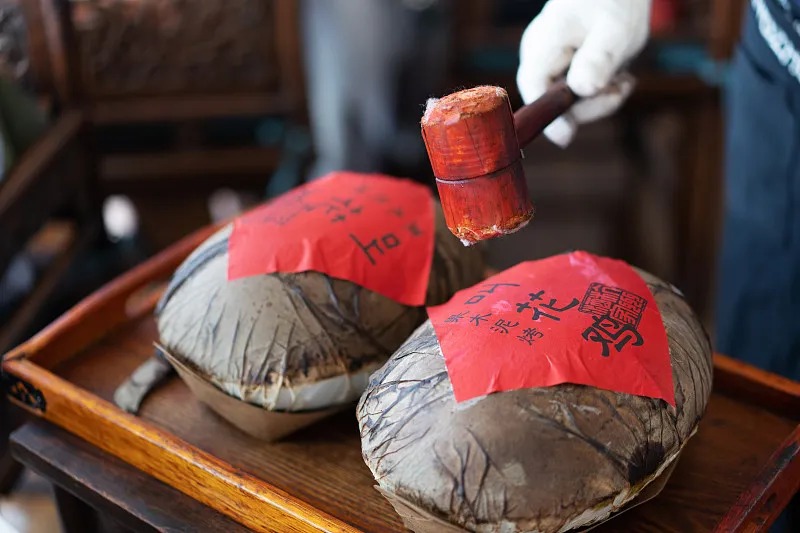
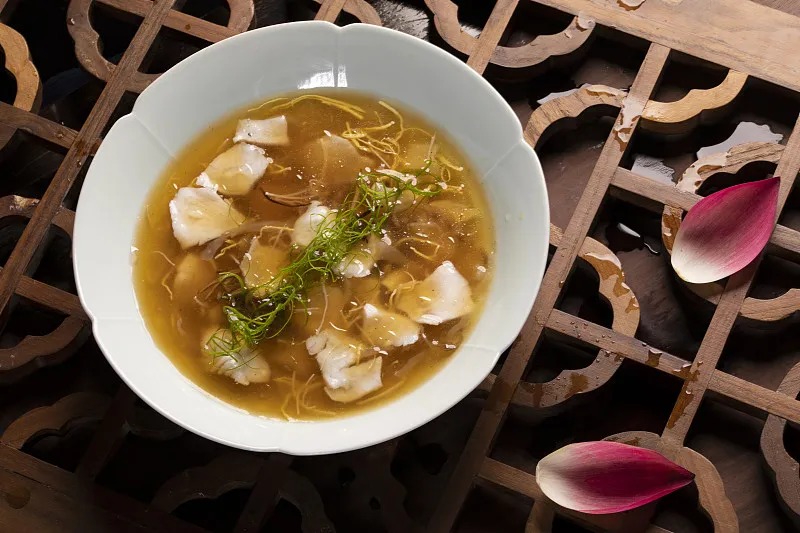
6. Fujian Cuisine | Fujian Province: The King of Soups and a Specialty Known for Its Distinctive Fermented Aroma
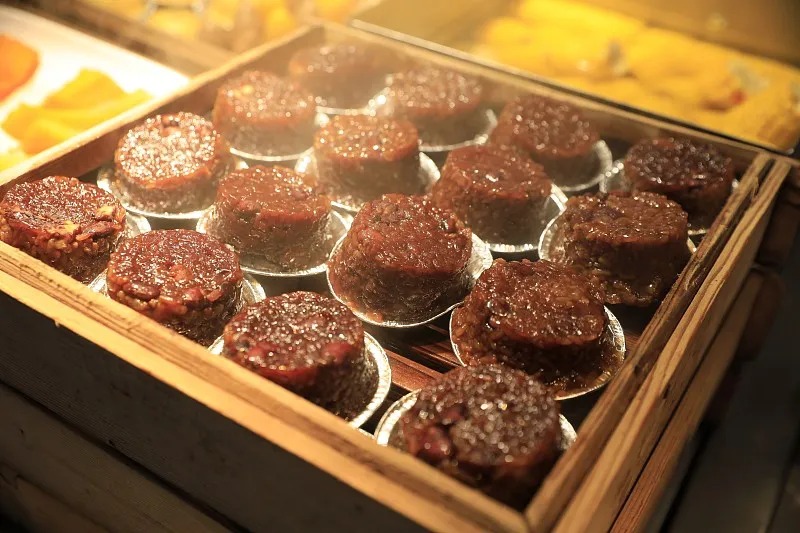
Taste characteristics: Expertly uses red koji fermentation for seasoning; its broth and dishes are exceptional, featuring a fresh, aromatic, and slightly sweet flavor with a focus on coastal seafood, resulting in a unique taste profile.
Sub-schools of cuisine: Fuzhou cuisine, Minnan cuisine, Minxi cuisine
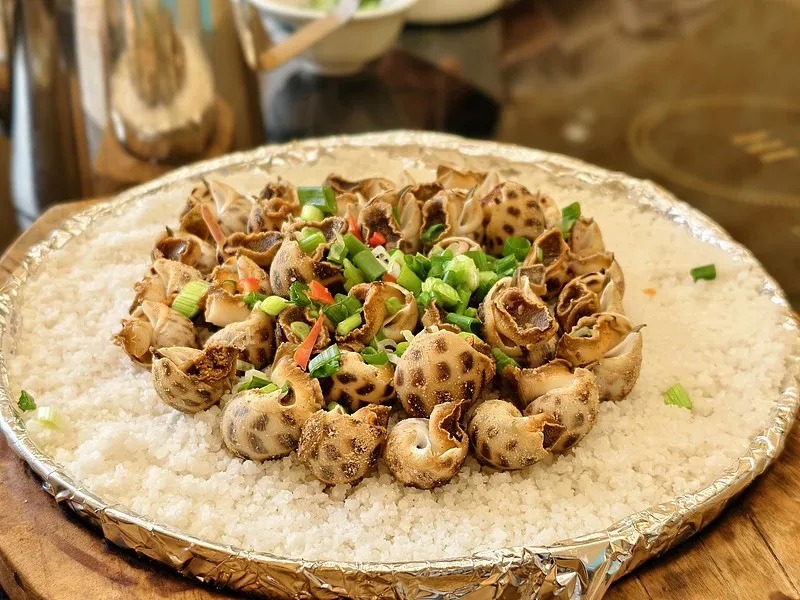
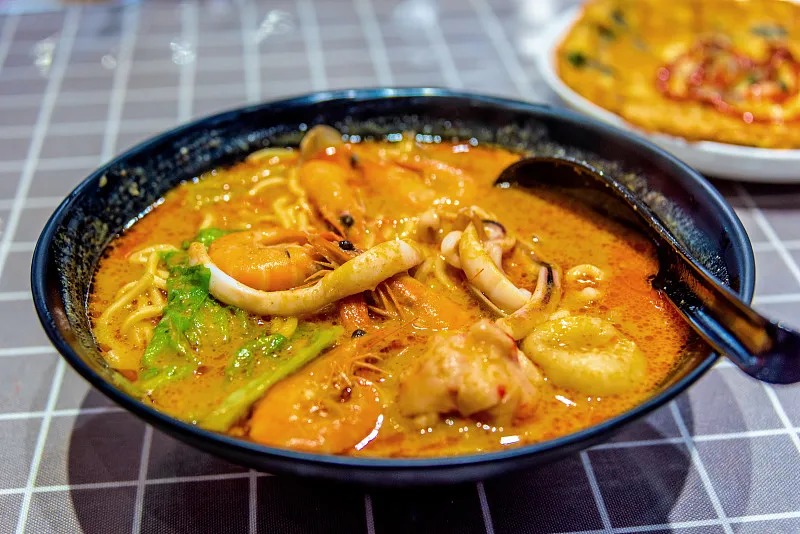
Representative dishes: Buddha Jumps Over the Wall, Lychee Meat, Light Fermented Snail, Shacha Noodles
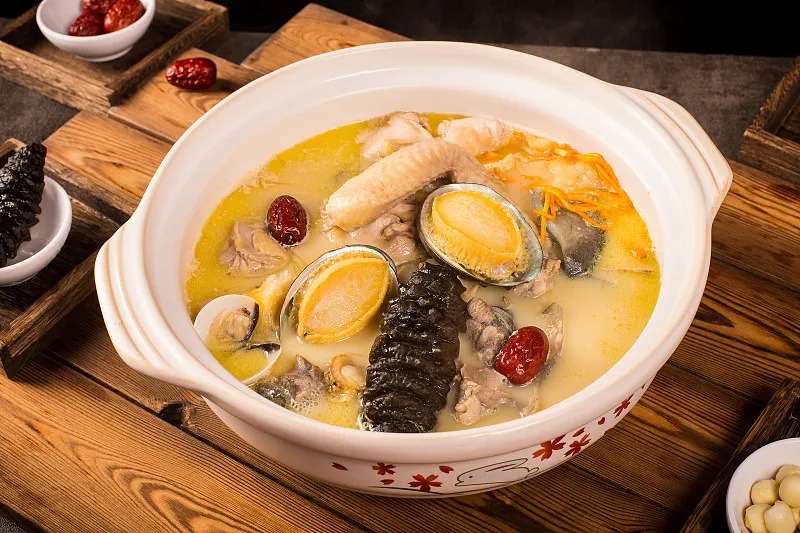
7. Hunan Cuisine | Spicy and flavorful dishes that pair perfectly with rice or other foods
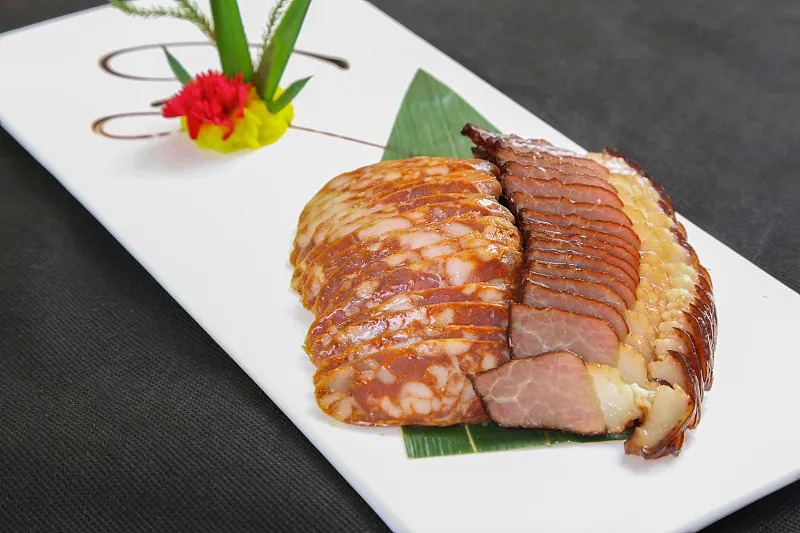
Taste characteristics: Fresh, spicy, and richly aromatic; predominantly featuring smoked and cured meats, with abundant oil and color; dry yet fragrant and appetizing; truly delightful without spiciness.
Sub-schools: Cuisine from the Xiangjiang River Basin, the Dongting Lake Region, and the mountainous areas of western Hunan.
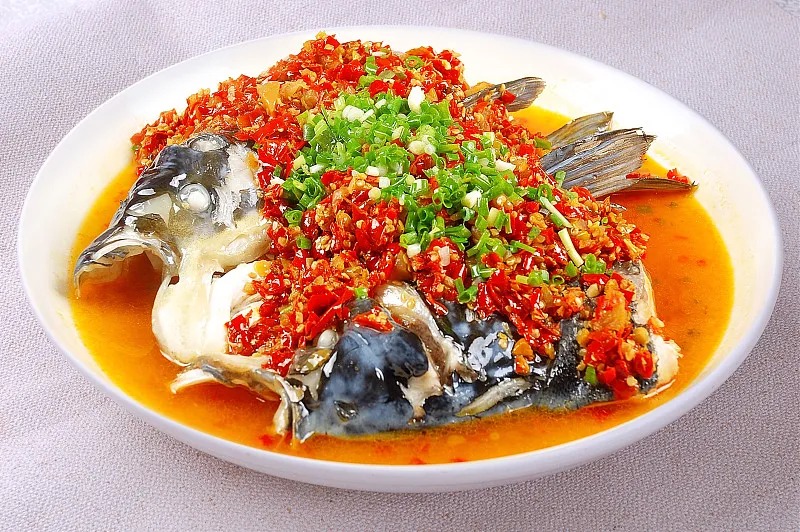
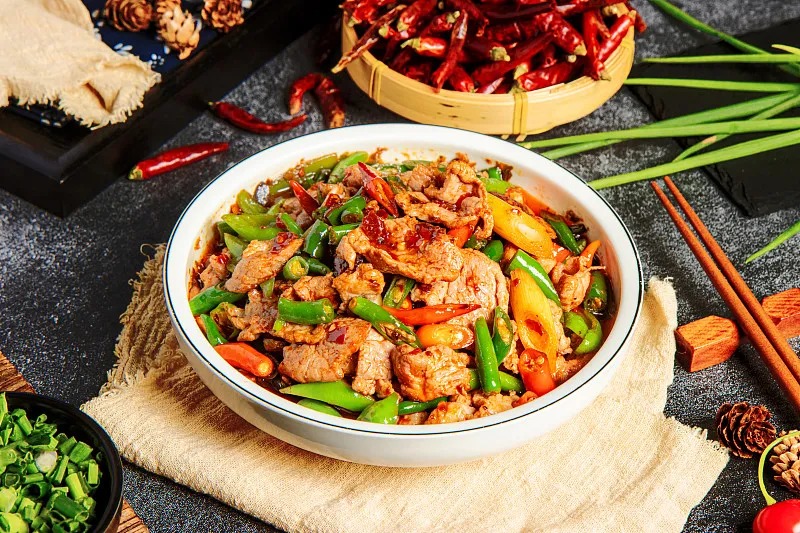
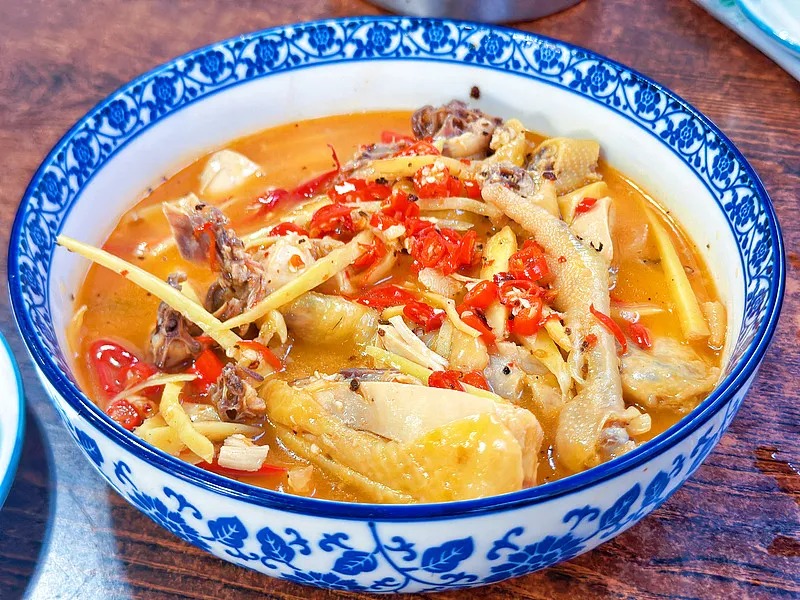
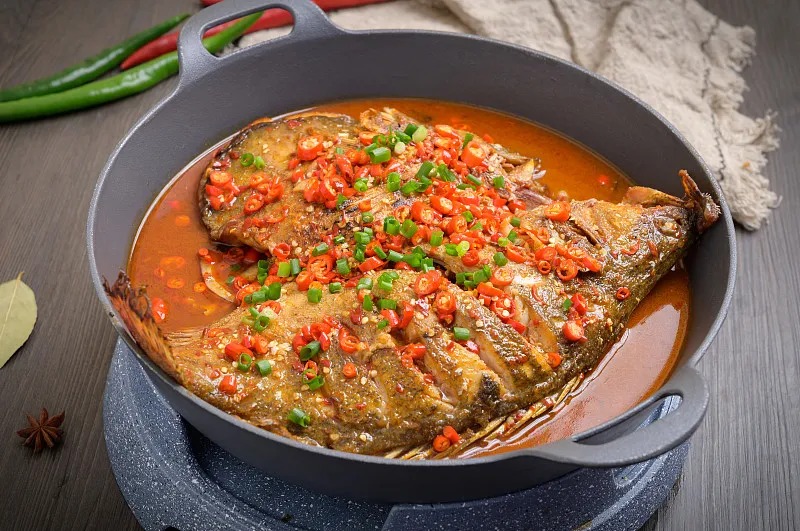
Representative dishes: Chopped Pepper Fish Head, Stir-fried Meat with Chili, Steamed Dried Delicacies, Dong'an Chicken
8. Hui Cuisine | The culinary tradition of southern Anhui and Anhui Province, featuring delicacies from mountainous regions
Taste characteristics: rich in oil and color, excels at stewing and smoking; commonly uses dried bamboo shoots, ham, and wild game ingredients for a bold, intense flavor.
Sub-schools of cuisine: Southern Anhui cuisine, Yangtze River Delta Anhui cuisine, Northern Anhui cuisine
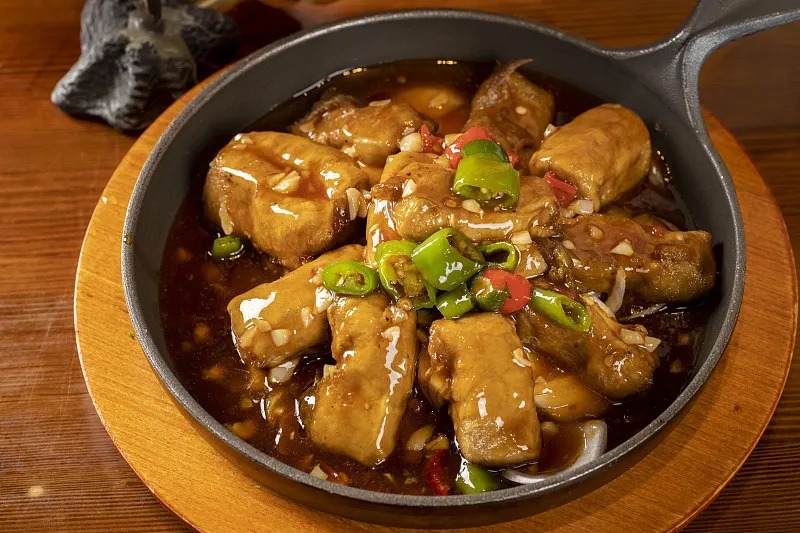
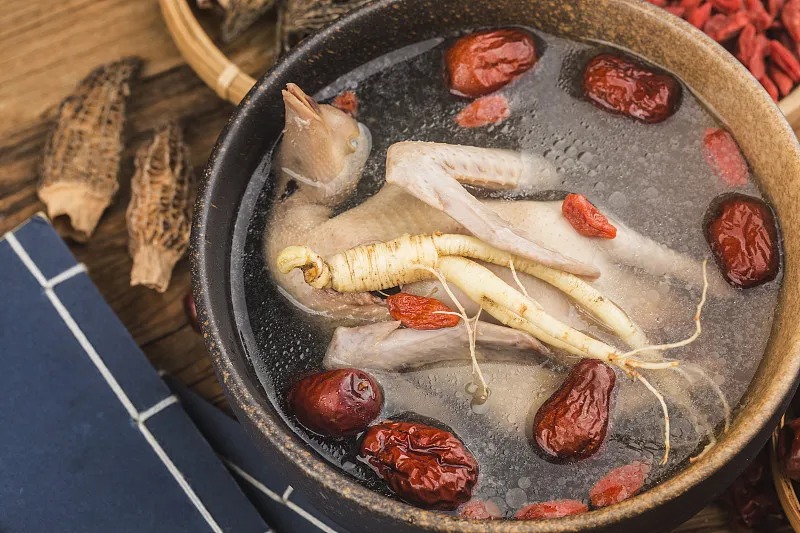
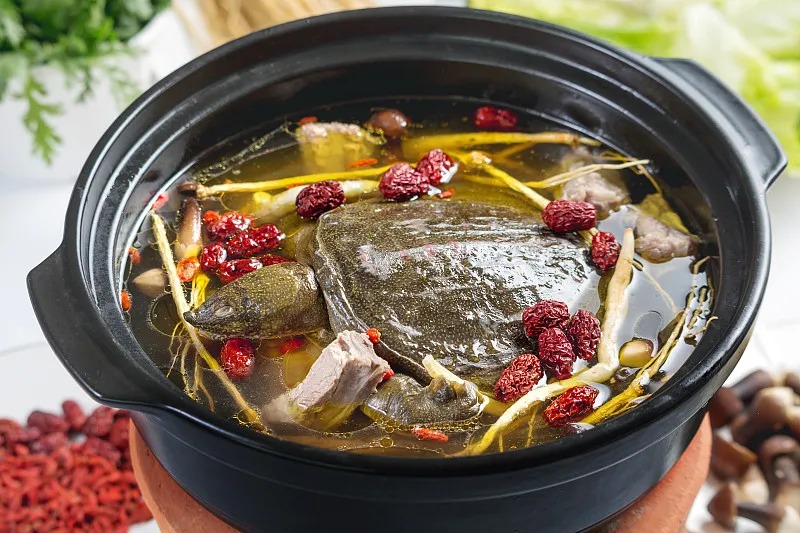
Representative dishes: Stinky Mandarin Fish, Huangshan Tofu, Huangshan Stewed Pigeon, Ham Stewed Soft-shelled Turtle
9. Beijing Cuisine | A culinary style that blends imperial palace traditions with everyday street flavors
Taste characteristics: Building upon the foundation of Shandong cuisine, it integrates imperial dishes, Beijing halal cuisine, and traditional Beijing home-style dishes, featuring a rich soy sauce aroma, balanced saltiness and freshness, with harmonious combinations of meat and vegetables.
Flavor Categories: Imperial cuisine, everyday home-style dishes, Beijing halal cuisine
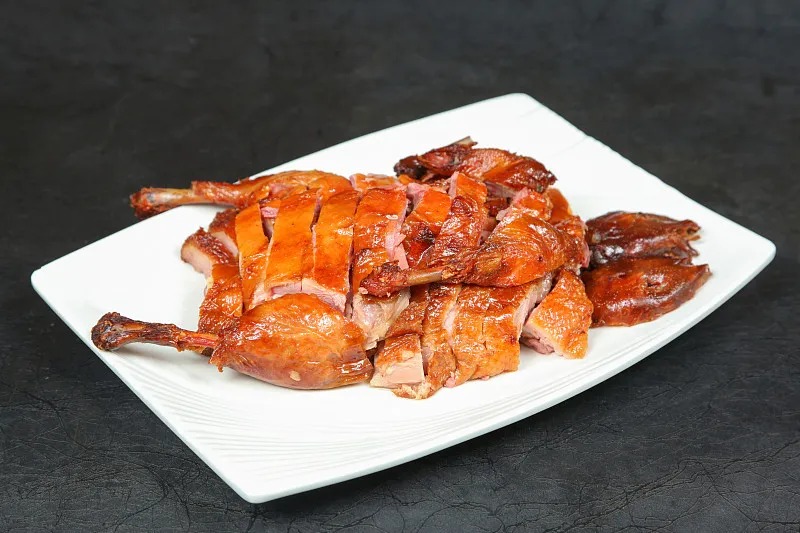
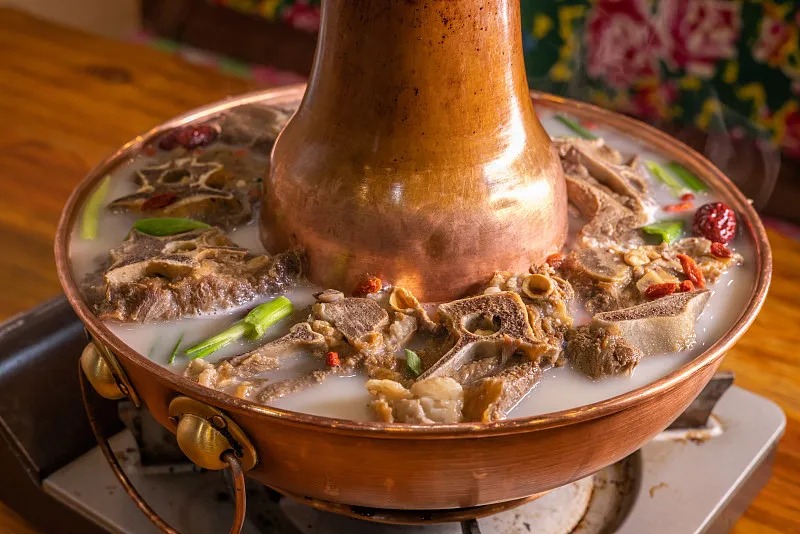
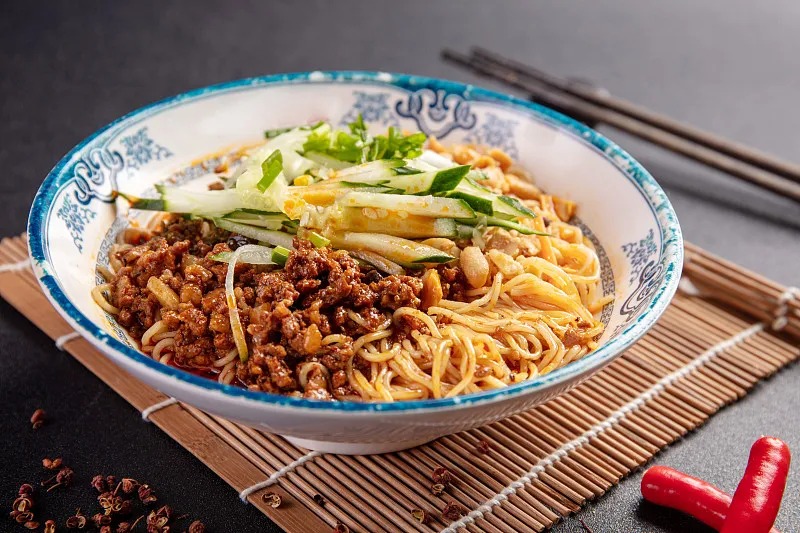
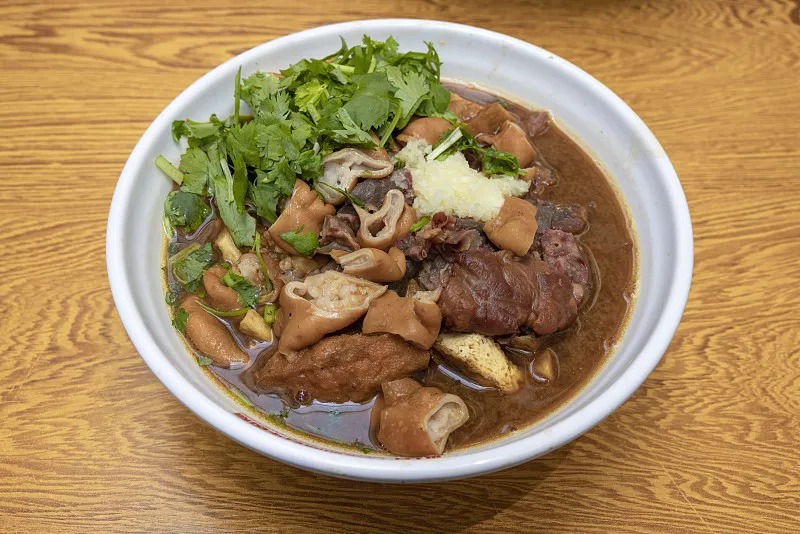
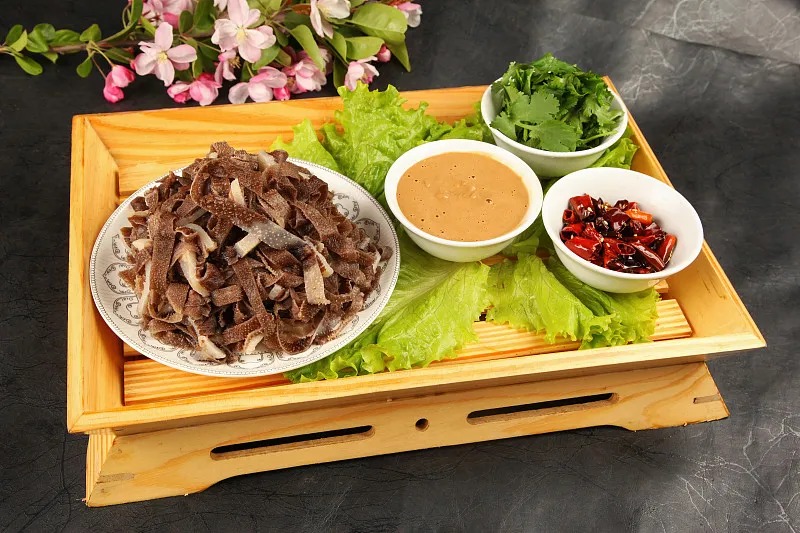
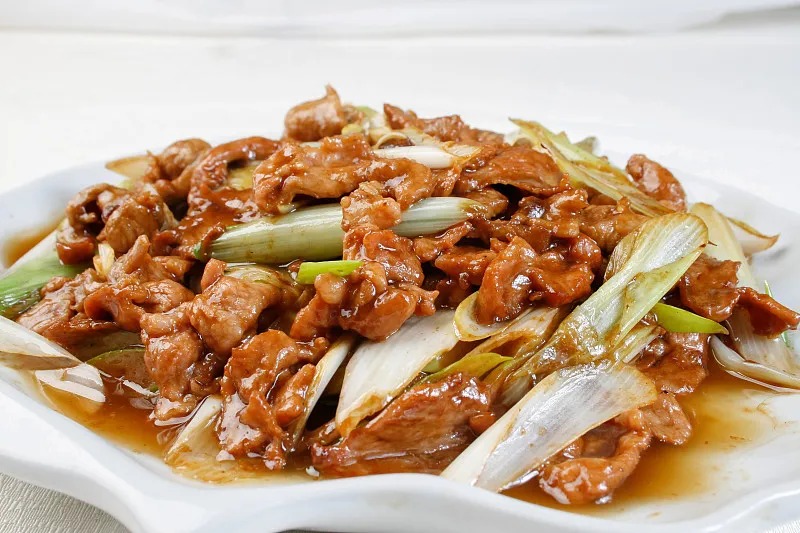
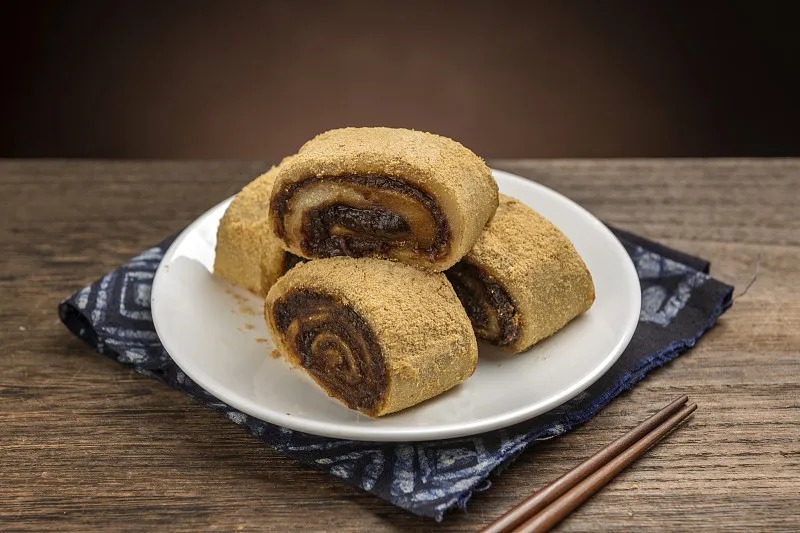
Representative dishes: Beijing Roast Duck, Copper Pot Shuan Lamb, Old Beijing Fried Sauce Noodles, Braised Fireworks Meat, Stir-fried Lamb with Scallions, Pea Soup, and Donkey Rolling.
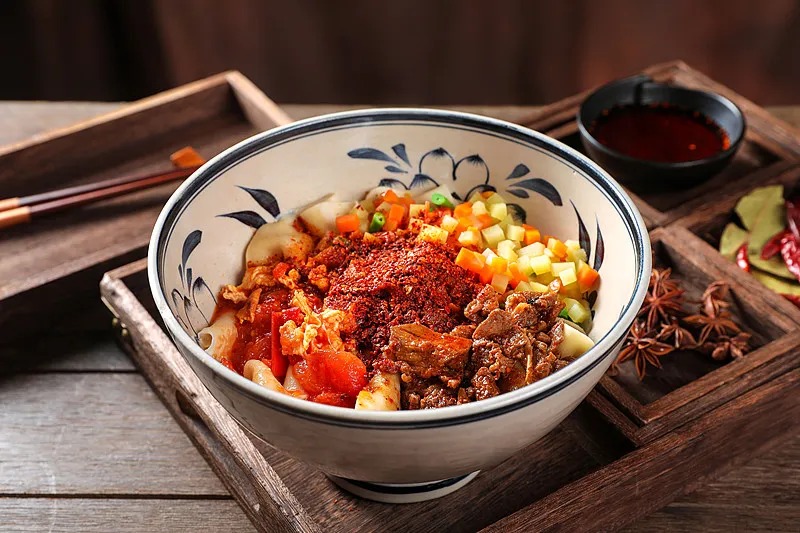
10. Shaanxi Cuisine (Qin Cuisine · Shaanxi Province) | The Premier Noodle Cuisine of Northwest China
Taste characteristics: prominent sour-spicy flavor with abundant vinegar usage; primarily composed of wheat-based dishes featuring rich beef and lamb flavors; characterized by the salty aroma typical of Guanzhong, the mellow taste of Northern Shaanxi, and a slightly numbing sensation characteristic of Southern Shaanxi.
Flavor categories: Guanzhong cuisine, Northern Shaanxi cuisine, Southern Shaanxi cuisine
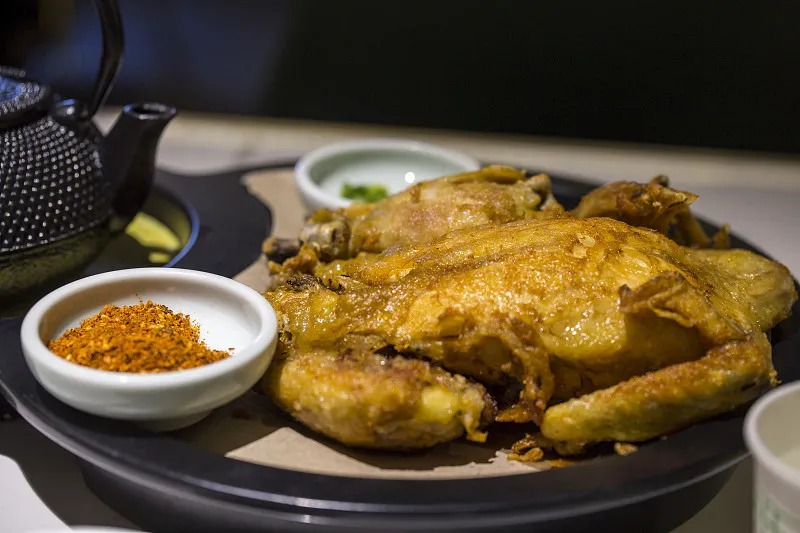
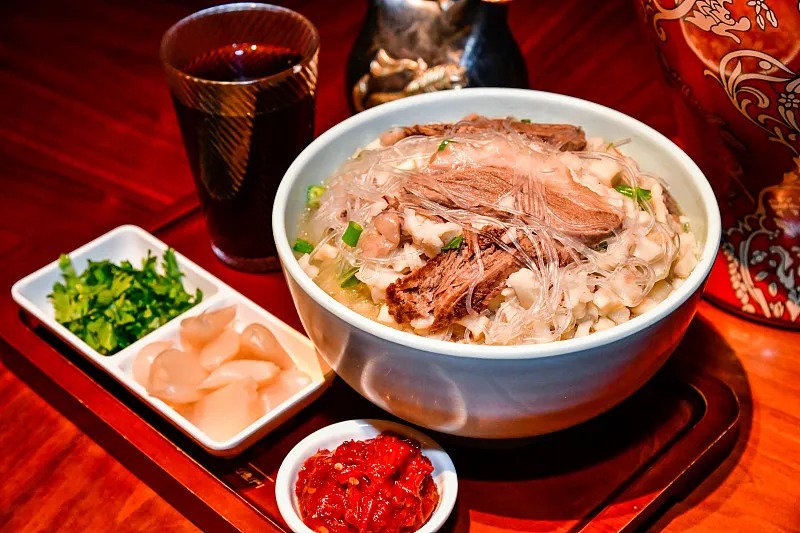
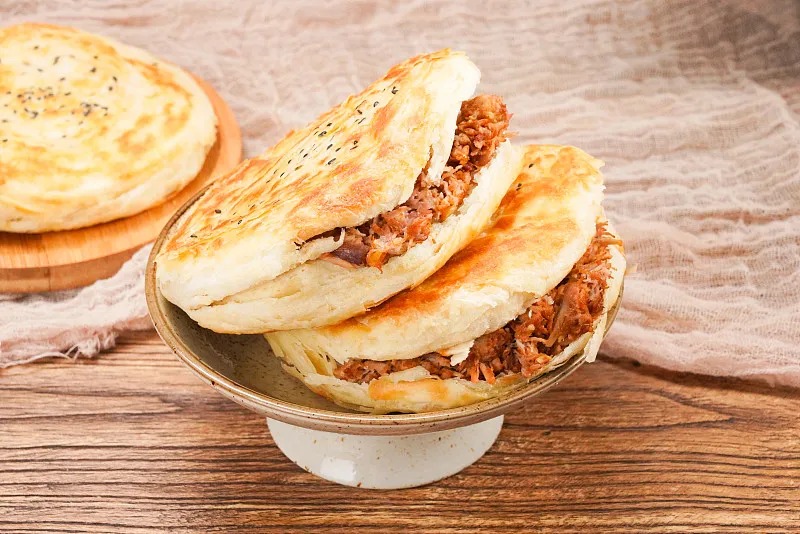
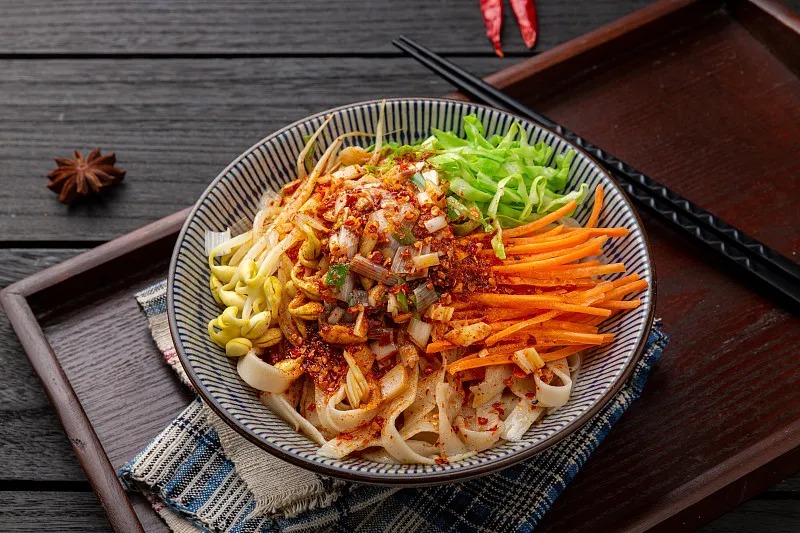
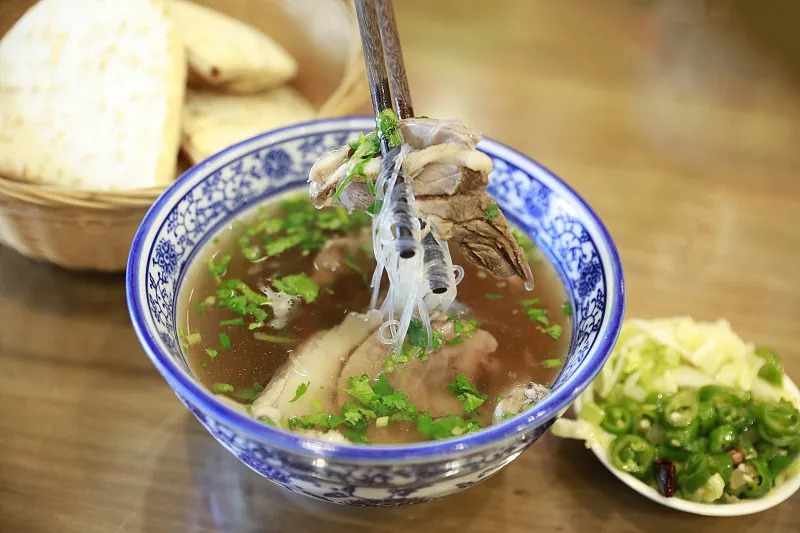
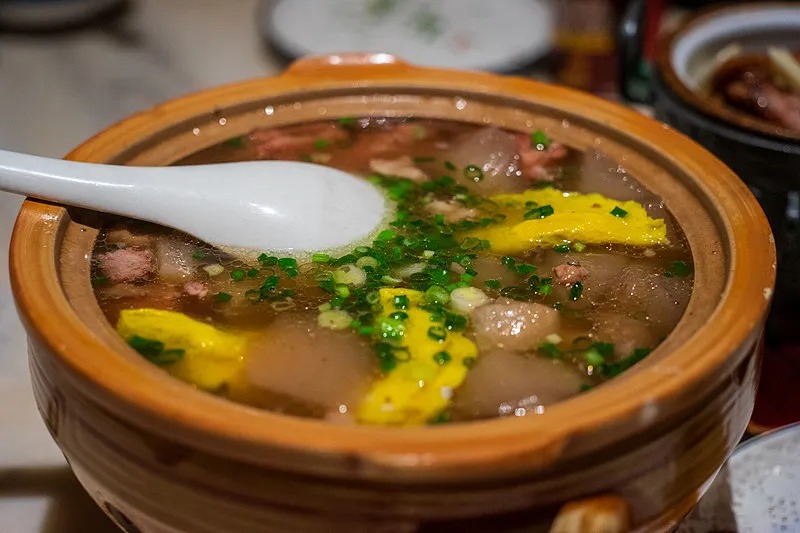
Representative dishes: Gourd Chicken, Lamb Paomo, Braised Pork Sandwich with Sauce, Oil-Sprinkled Noodles, Biangbiang Noodles, Steamed Rice Cake, Water Pot Lamb, Ziyang Steamed Pot.