
 Inglese
 Francese
 Spagnolo
 Russo
Russo Arabo
Arabo Italia
Introduzione alla città di Xi'an
Xi'an, precedentemente nota come Chang'an e Haojing, è la capitale della provincia dello Shaanxi, la principale delle quattro grandi capitali antiche della Cina e una delle quattro grandi capitali antiche del mondo insieme ad Atene, Roma e Il Cairo. Con una storia di oltre 3.100 anni di costruzione della città e 1.100 anni come capitale nazionale, è stata la capitale di 13 dinastie tra cui Zhou occidentali, Qin, Han occidentali, Sui e Tang. È un importante luogo di nascita della civiltà cinese e della nazione cinese, nonché il punto di partenza orientale dell'antica Via della Seta.
Essendo la capitale con il maggior numero di dinastie e l'influenza più profonda nella storia cinese, Xi'an porta con sé i ricordi più gloriosi della civiltà cinese. Era la terra dei rituali e della musica della dinastia Zhou, il fulcro dell'unificazione della dinastia Qin, il punto di partenza della Via della Seta della dinastia Han e il prospero centro della dinastia Tang, testimone dell'apice della politica, dell'economia e della cultura dell'antica Cina. Oggi, Xi'an conserva ancora più di 700 cimeli culturali e siti storici, conosciuti come "un museo vivente di storia naturale", dove ogni mattone e piastrella reca incise le tracce del tempo.
La moderna Xi'an è una città centrale nazionale e un importante centro economico, scientifico, educativo e culturale nella Cina occidentale. Ospita più di 100 università e istituti di ricerca come la Xi'an Jiaotong University e la Northwestern Polytechnical University, con una forte forza nei settori high-tech come quello aerospaziale, dell'aviazione e dell'informazione elettronica. Allo stesso tempo, Xi'an è una destinazione turistica famosa in tutto il mondo, che attira ogni anno centinaia di milioni di turisti per esplorare la sua storia.
Il fascino culturale di Xi'an si riflette anche nella sua vita quotidiana. Prelibatezze Guanzhong come roujiamo (hamburger cinese), yangrou paomo (zuppa di agnello con pane), liangpi (noodles freddi) e noodle biangbiang riempiono le strade, mentre le arti tradizionali come l'Opera Qinqiang e le marionette delle ombre continuano a prosperare. Sotto le antiche mura della città, il profumo del tè delle case da tè si intreccia con la prosperità dei moderni quartieri degli affari, e l'antica capitale millenaria fiorisce con uno splendore unico e affascinante in termini di eredità e innovazione.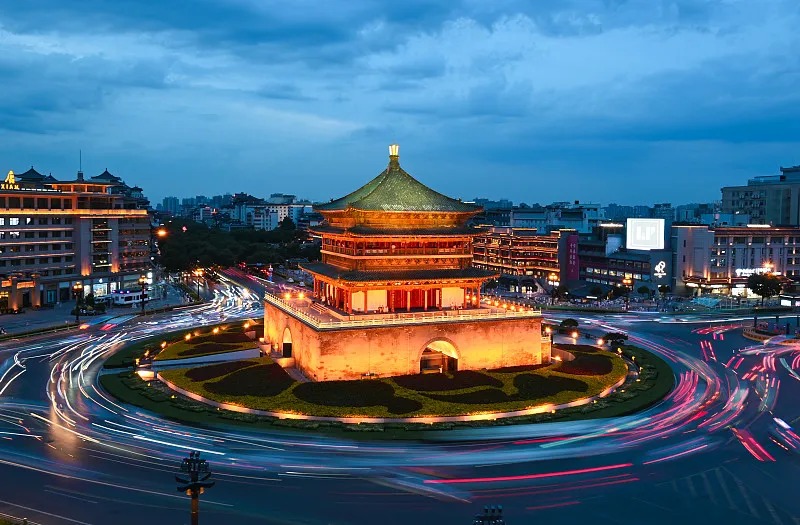
Introduzione ai famosi punti panoramici di Xi'an
1. Museo dell'Esercito di Terracotta di Qin Shi Huang
Il Museo dell'Esercito di Terracotta di Qin Shi Huang, l'ottava meraviglia del mondo e patrimonio culturale mondiale, si trova nel distretto di Lintong, Xi'an, ed è il sito delle fosse sepolcrali del Mausoleo di Qin Shi Huang. Nel 1974, gli agricoltori locali scoprirono accidentalmente questo ritrovamento archeologico scioccante mentre scavavano un pozzo, svelando il mistero dell'arte e dell'arte militare della dinastia Qin. Le intere fosse sepolcrali ricoprono un'area di circa 20.000 mq. Finora sono state scavate tre fosse, rinvenuti più di 8.000 guerrieri e cavalli di terracotta, oltre a un gran numero di armi di bronzo.
Questi guerrieri di terracotta hanno espressioni diverse e sono realistici. Le figurine dei soldati sono divise in generali, ufficiali militari e soldati, che coprono soldati di fanteria, cavalleria e carri, disposti in una rigorosa formazione militare, riproducendo il maestoso slancio dell'esercito Qin che spazza i sei stati e unifica il mondo. Il processo di produzione dei guerrieri in terracotta è squisito, adottando il metodo di combinare modellatura, scultura e cottura in sezioni. Ogni guerriero di terracotta ha caratteristiche facciali, acconciature e costumi diversi, mostrando il superbo livello artistico scultoreo della dinastia Qin.
L'Esercito di Terracotta non è solo un miracolo della storia militare, ma anche un brillante tesoro della civiltà cinese. Testimonia il forte potere nazionale della dinastia Qin e la maestosità della dinastia unificata, e fornisce anche materiali fisici estremamente preziosi per studiare la politica, l'esercito, l'economia e la cultura della dinastia Qin. Oggi, il Museo dell'Esercito di Terracotta di Qin Shi Huang è diventato un'importante finestra per gli scambi culturali esteri della Cina, attirando ogni anno milioni di turisti in patria e all'estero per ammirare questo grande miracolo della storia umana.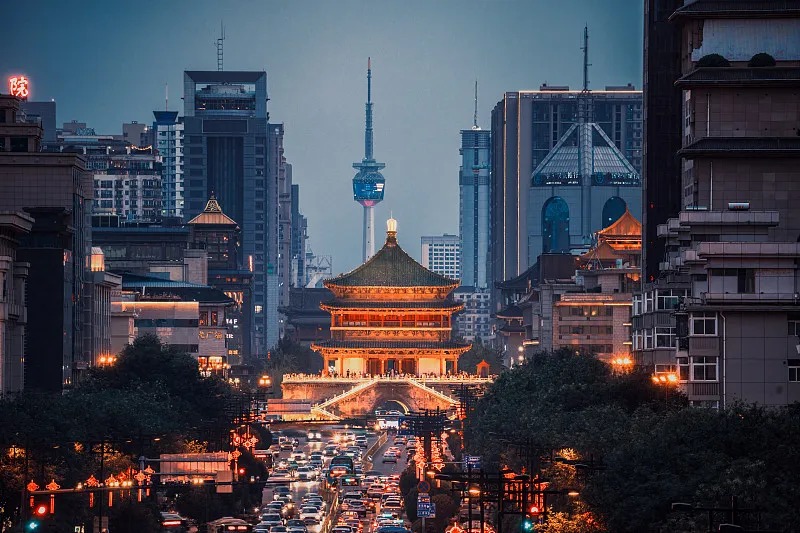
2. Mura della città di Xi'an
Le mura della città di Xi'an sono le mura della città antica più grandi e meglio conservate della Cina, nonché il più grande e completo castello militare antico esistente al mondo. Fu costruito per la prima volta nel secondo anno del regno Kaihuang della dinastia Sui, e fu ampliato e ricostruito sulla base della città imperiale di Chang'an durante la dinastia Tang durante il regno Hongwu della dinastia Ming, con una storia di oltre 600 anni. La cinta muraria ha un perimetro di 13,74 chilometri, un'altezza di 12 metri, una larghezza superiore di 15-18 metri e una larghezza inferiore di 18-22 metri, presentando una forma rettangolare. C'è una porta della città su ciascuno dei quattro lati, con una città-urna e una torre a freccia costruita all'esterno della porta, formando un antico sistema di difesa militare completo.
Le mura della città di Xi'an non sono solo un progetto di difesa militare, ma anche lo scheletro storico e il simbolo culturale di Xi'an. Ha assistito alla trasformazione di Xi'an da antica capitale a città moderna e porta con sé la memoria collettiva del popolo di Xi'an. Lo stile architettonico delle mura della città è vigoroso e grandioso, con un senso di pesantezza storica tra i mattoni blu e le piastrelle grigie. Le merlature, le torri nemiche e le torri angolari della cinta muraria hanno sia funzioni pratiche che un altissimo valore artistico.
Oggi, le mura della città di Xi'an sono diventate uno dei punti panoramici più rappresentativi di Xi'an. Salendo sulle mura della città, cavalcando o camminando su di esse, puoi ammirare l'intero quadro della città vecchia di Xi'an e sentire lo slancio maestoso della città antica. Particolarmente suggestiva è la vista notturna delle mura della città. Le luci delineano il contorno delle mura della città, integrandosi con gli edifici moderni circostanti, mostrando il fascino unico dell'integrazione tra antico e moderno. Ogni Festival di Primavera, le mura della città ospitano anche il Festival delle Lanterne, colorato e vivace, che diventa un bellissimo biglietto da visita di Xi'an.
3. Pagoda gigante dell'oca selvatica
La Pagoda della Gigante Oca Selvatica, conosciuta anche come Pagoda del Tempio Ci'en, si trova nel Tempio Ci'en nel distretto di Yanta, Xi'an. È l'edificio simbolo di Xi'an e la prima e più grande pagoda quadrata in mattoni in stile padiglione della dinastia Tang esistente in Cina. Fu costruito nel terzo anno del regno Yonghui della dinastia Tang, presieduto dall'eminente monaco Tang Xuanzang per preservare le scritture, le statue di Buddha e le reliquie riportate dall'India. Originariamente era a cinque piani e, dopo diverse ricostruzioni, formò finalmente l'attuale pagoda a sette piani con un'altezza totale di 64,5 metri.
Lo stile architettonico della Pagoda della Gigante Oca Selvatica è semplice, non sofisticato e vigoroso, riflettendo le caratteristiche tipiche dell'architettura della dinastia Tang. Il corpo della pagoda è costruito in mattoni blu, con porte ad arco su tutti e quattro i lati di ogni piano. All'interno della pagoda ci sono delle scale che salgono a spirale e dall'alto puoi ammirare l'intera città di Xi'an. All'interno della pagoda sono conservati anche un gran numero di incisioni su pietra, murali e scritture della dinastia Tang, che hanno un valore storico e artistico estremamente elevato. Tra questi, le stele della "Prefazione ai Sacri Insegnamenti del Tripitaka del Grande Tang" e le "Note sulla Prefazione ai Sacri Insegnamenti del Tripitaka del Grande Tang" su entrambi i lati della porta sud della pagoda furono scritte dal famoso calligrafo della dinastia Tang Chu Suiliang, che sono tesori nell'arte della calligrafia.
La Pagoda della Gigante Oca Selvatica non è solo un importante simbolo della cultura buddista, ma anche un testimone storico degli scambi culturali sino-stranieri durante la dinastia Tang. Il Maestro Xuanzang ha tradotto qui le scritture buddiste per 19 anni, traducendo 75 parti e 1.335 volumi di scritture buddiste, dando un grande contributo alla diffusione e allo sviluppo del buddismo in Cina. Allo stesso tempo, la Pagoda della Gigante Oca Selvatica porta anche ricche connotazioni culturali. L'usanza dell'"iscrizione Yanta" prevalente durante la dinastia Tang divenne un simbolo del superamento dell'esame imperiale da parte degli antichi studiosi ed è stata tramandata nel corso dei secoli. Oggi, la Pagoda della Gigante Oca Selvatica è diventata un sito del patrimonio culturale mondiale e un simbolo culturale di Xi'an e persino della Cina.
4. Palazzo Huaqing
Il Palazzo Huaqing, noto anche come Piscina Huaqing, si trova ai piedi settentrionali del monte Lishan nel distretto di Lintong, Xi'an. È un famoso palazzo reale termale della dinastia Tang e uno dei quattro grandi giardini antichi della Cina. È ricco di risorse termali, con la temperatura dell'acqua mantenuta a circa 43℃ tutto l'anno. La qualità dell'acqua è limpida e contiene una varietà di minerali, che hanno un valore medico e sanitario estremamente elevato. Già durante la dinastia Zhou occidentale, il re You di Zhou costruì un palazzo qui. Da allora, gli imperatori delle dinastie Qin, Han, Sui e Tang costruirono tutti i loro palazzi qui, raggiungendo l'apice durante la dinastia Tang. L'imperatore Xuanzong di Tang e Yang Guifei viveva qui ogni inverno, lasciando l'eterna famosa frase "Nella primavera fredda faceva il bagno nella piscina Huaqing, la calda acqua sorgiva lavava la sua pelle liscia e cremosa".
Gli edifici del Palazzo Huaqing sono costruiti secondo le montagne e i fiumi, con una disposizione rigorosa e uno slancio magnifico. Ci sono molte rovine di sorgenti termali della dinastia Tang nel giardino, come la Piscina del Loto, la Piscina della Begonia e la Piscina delle Stelle. Queste piscine sono progettate in modo squisito e riflettono la superba tecnologia architettonica della dinastia Tang. Oltre al giardino reale e alla cultura delle sorgenti termali, il Palazzo Huaqing porta con sé anche un'importante storia rossa. Il 12 dicembre 1936, i generali Zhang Xueliang e Yang Hucheng lanciarono qui lo scioccante "incidente di Xi'an", che promosse la seconda cooperazione tra il Kuomintang e il Partito comunista e la formazione del fronte unito nazionale antigiapponese. I vecchi siti come le Cinque Sale e il Padiglione delle Rimostranze nel giardino sono ancora ben conservati e sono diventati un'importante base per l'educazione patriottica.
L'odierno Palazzo Huaqing, che integra giardini reali, cultura delle sorgenti termali e storia rossa, è una famosa attrazione turistica di Xi'an. Qui viene messo in scena il dramma di danza storica dal vivo su larga scala La canzone del dolore eterno, che prende il Monte Lishan come sfondo e il Palazzo Huaqing come palcoscenico, riproducendo la storia d'amore tra l'imperatore Xuanzong di Tang e Yang Guifei e diventando un'opera di riferimento delle arti dello spettacolo del turismo culturale cinese.
5. Museo di storia dello Shaanxi
Conosciuto come "la perla dell'antica capitale e il tesoro della Cina", il Museo di storia dello Shaanxi è il primo museo nazionale moderno su larga scala in Cina, situato nel distretto di Yanta, Xi'an. Il museo ha una collezione di oltre 370.000 cimeli culturali, che vanno da semplici strumenti di pietra usati dagli antichi esseri umani a vari manufatti prima della guerra dell'oppio nel 1840, con un arco di tempo di oltre 1 milione di anni. Mostra sistematicamente lo sviluppo storico della regione dello Shaanxi dai tempi antichi ai tempi moderni ed è un luogo da visitare per comprendere l'origine e lo sviluppo della civiltà cinese.
Lo stile architettonico del museo integra la grandiosità dell'architettura della dinastia Tang e la semplicità dell'architettura moderna, riflettendo la prospera atmosfera Tang e lo spirito dei tempi. Il museo ha tre aree espositive: mostra di base, mostra tematica e mostra temporanea. Tra questi, la mostra di base "Antica Civiltà dello Shaanxi" è l'esposizione principale del museo, divisa in sette parti: Preistoria, Zhou, Qin, Han, Wei, Jin, Dinastie del Sud e del Nord, Sui e Tang, Song, Yuan, Ming e Qing, che mostrano un gran numero di preziose reliquie culturali. I tesori del museo come il tesoro di Hejiacun, la coppa di agata con la testa di bestia d'oro intarsiata e il vaso d'argento dorato con motivo a cavallo danzante sono squisitamente realizzati e di inestimabile valore, mostrando il superbo livello artigianale dell'antica Cina.
Il Museo di storia dello Shaanxi non è solo un luogo per la raccolta e l'esposizione di cimeli culturali, ma anche un'importante piattaforma per l'eredità e lo scambio culturale. Racconta al pubblico la lunga storia e la splendida cultura della civiltà cinese attraverso ricche collezioni di cimeli culturali e vivaci forme espositive. Allo stesso tempo, il museo svolge attivamente attività di scambio culturale internazionale per diffondere il fascino della civiltà cinese in tutte le parti del mondo. Ogni anno milioni di turisti vengono a visitare e a sentire la profondità della civiltà cinese.
6. Torri della campana e del tamburo di Xi'an
Le Torri della Campana e del Tamburo di Xi'an, situate nel centro di Xi'an, sono il nome collettivo della Torre della Campana e della Torre del Tamburo. Sono i simboli della città di Xi'an e una delle torri campanarie e del tamburo più grandi e meglio conservate esistenti in Cina. Il campanile fu costruito nel 17° anno del regno Hongwu della dinastia Ming, originariamente situato nell'odierna Guangji Street, e spostato nella sua sede attuale nel 10° anno del regno Wanli della dinastia Ming; la Torre del Tamburo fu costruita nel 13° anno del regno Hongwu della dinastia Ming, quattro anni prima della Torre della Campana. I due edifici si fanno eco a distanza, con magnifico slancio, e sono conosciuti come le “Torri Sorelle”.
Il Campanile ha un'altezza complessiva di 36 metri, con struttura in mattoni e copertura a tre gronde cuspidate a quattro spigoli. All'interno della torre è appesa una grande campana della dinastia Ming, utilizzata nei tempi antichi per indicare l'ora. La Torre del Tamburo ha un'altezza totale di 34 metri, con un tetto a tre falde e a due falde. Originariamente all'interno della torre era presente un grande tamburo, che la sera veniva battuto per scandire l'ora, cooperando con la campana del Campanile per formare il sistema di lettura dell'ora "campana del mattino e tamburo della sera". La tecnologia di costruzione delle Torri della Campana e del Tamburo è squisita, con travi scolpite e travicelli dipinti e grondaie e mensole rivolte verso l'alto, che riflettono lo stile tipico dell'architettura della dinastia Ming. I dipinti e le incisioni all'interno delle torri sono estremamente squisiti e ricchi di contenuti, di altissimo valore artistico.
Le Torri della Campana e del Tamburo non sono solo gli antichi centri di lettura del tempo, ma anche il centro e il simbolo culturale di Xi'an. Sono stati testimoni dei cambiamenti storici di Xi'an per più di 600 anni e portano con sé i sentimenti profondi della gente di Xi'an. La strada musulmana intorno alle torri della campana e del tamburo è una famosa strada del cibo a Xi'an, che raccoglie vari snack caratteristici come roujiamo, yangrou paomo e zenggao, pieni di una forte atmosfera di mercato. Le Torri della Campana e del Tamburo di notte sono ben illuminate e particolarmente spettacolari, diventando lo scenario più bello nella vista notturna di Xi'an.
7. In arrivo a Everbright City
Datang Everbright City, situata ai piedi della Pagoda della Gigante Oca Selvatica nel distretto di Yanta, Xi'an, è una strada pedonale su larga scala con edifici in stile Tang, che prende la prospera cultura Tang come sfondo e gli elementi in stile Tang come linea principale. Inizia dalla Piazza Sud della Pagoda della Gigante Oca Selvatica a nord e termina al Parco delle Rovine delle Mura della Città di Tang a sud, con una lunghezza totale di 1.500 metri e un'area di costruzione totale di 650.000 metri quadrati. È il luogo di check-in più famoso e famoso su Internet a Xi'an e un progetto di riferimento dell'economia notturna cinese.
Il concetto di design di Datang Everbright City è "riprodurre la prosperità della prospera dinastia Tang". Tutti gli edifici dell'intero isolato adottano lo stile architettonico della dinastia Tang, con gronde e mensole rivolte verso l'alto, travi intagliate e travi dipinte, e uno slancio magnifico. Ci sono molte sculture, spettacoli di luci, spettacoli culturali e negozi culturali e creativi distribuiti nell'isolato, che mostrano in modo completo lo stile politico, economico, culturale e di vita della prospera dinastia Tang. Qui ci sono sculture di celebrità storiche come Li Shimin, Wu Zetian, Li Bai e Du Fu, spettacoli culturali che mostrano musica e danza, calligrafia e pittura della dinastia Tang, oltre a vari prodotti culturali e creativi squisiti in stile Tang.
La città di Datang Everbright è la più affascinante di notte, con luci brillanti e colori fluenti, come se si tornasse indietro alla prospera dinastia Tang. Spettacoli caratteristici come Tumbler Young Lady, Dunhuang Flying Apsaras e The Secret Box of the Prosperous Tang sono profondamente amati dai turisti e sono diventati argomenti caldi su Internet. Datang Everbright City non è solo un'attrazione turistica, ma anche un luogo di esperienza culturale. Rende la cultura tradizionale "prendere vita" e consente ai turisti di sentire il fascino della prospera cultura Tang in un'esperienza coinvolgente. Oggi, Datang Everbright City è diventata un bellissimo biglietto da visita di Xi'an, attirando decine di milioni di turisti ogni anno.
8. Museo della foresta della stele di Xi'an
Il Museo della foresta delle stele di Xi'an, situato nel distretto di Beilin, Xi'an, è il più ricco tesoro d'arte della Cina con il maggior numero di stele antiche, il periodo di tempo più lungo e il contenuto più abbondante, conosciuto come "la città natale dell'arte della calligrafia". Fu costruito nel secondo anno del regno Yuanyou della dinastia Song settentrionale, originariamente costruito per preservare i "Classici della pietra Kaicheng" e il "Classico della piattaforma di pietra della pietà filiale" della dinastia Tang. Dopo l'espansione e la raccolta durante le dinastie Yuan, Ming e Qing, ha gradualmente formato la sua scala attuale.
Il museo ha una collezione di oltre 4.000 stele ed epitaffi, con un arco temporale di oltre 2.000 anni, dalla dinastia Han ai tempi moderni. Queste stele hanno un ricco contenuto, che copre politica, economia, cultura, esercito, religione e altri aspetti, e sono materiali fisici importanti per lo studio della storia, della cultura e della calligrafia dell'antica Cina. Tra questi, l'arte della calligrafia è la parte più caratteristica della Foresta delle Stele. Raccoglie opere stele di famosi calligrafi di tutte le dinastie, come Wang Xizhi, Yan Zhenqing, Liu Gongquan, Ouyang Xun, Su Shi e Huang Tingjian, con tutti i tipi di stili di calligrafia e stili diversi, che mostrano il processo di sviluppo dell'arte calligrafica cinese.
Oltre alle stele, il museo raccoglie anche un gran numero di sculture in pietra, come i ritratti in pietra della dinastia Han e i Sei destrieri del mausoleo di Zhao della dinastia Tang. Queste sculture in pietra hanno forme vivide e intagli squisiti, con un valore artistico estremamente elevato. Il Museo della Foresta della Stele di Xi'an non è solo una terra santa per gli amanti della calligrafia, ma anche un importante portatore della civiltà cinese. Trasmette migliaia di anni di storia e cultura alle generazioni future attraverso fredde stele, permettendo alle persone di sentire la profondità della cultura tradizionale cinese.